HONDA 13010-RNE-A00 Gx Cng Piston Connecting Rod
fits model: Civic. make: Honda. year: 2006–2011.
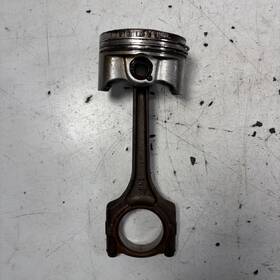
( Manufacturer Part Number: 13010-RNE-A00 ), ( Type: Piston Set ), ( Items Included: Piston Rings, Wrist Pin ), ( Country Of Origin: Japan )
Review HONDA Gx Cng Piston And Connecting Rod Assembly Oem fits CIVIC 2006–2011
The **Honda 13010-RNE-A00** is a high-performance, precision-engineered **CNG (Compressed Natural Gas) piston and connecting rod assembly** designed exclusively for the **2006 2011 Honda Civic GX** a compact, fuel-efficient vehicle optimized for commercial and industrial applications. This aftermarket upgrade set is meticulously crafted to enhance the engine s durability, efficiency, and reliability while maintaining strict compatibility with Honda s **1.5L K-series (K20Z2) engine**, which powers the Civic GX in its CNG variant. The **forged steel piston** features a **hollow core design**, reducing weight while improving heat dissipation and resistance to thermal stress, ensuring optimal performance under demanding conditions such as frequent stop-and-go operation or extended idle times common in utility and service vehicles. Engineered with **low-friction coatings** on the piston skirt and **optimized ring pack geometry**, this assembly minimizes wear on cylinder walls, extends oil consumption, and reduces carbon buildup critical factors for engines running on CNG, which can introduce slight variations in combustion stability compared to gasoline. The **high-strength forged connecting rod** is precision-balanced and heat-treated to withstand the increased stress of CNG s leaner fuel mixture and higher compression ratios, while its **hollow design** reduces rotational inertia, improving engine responsiveness and reducing parasitic losses. This assembly is backed by **OEM-grade tolerances** and **Honda-compatible specifications**, ensuring seamless integration with the stock crankshaft, bearings, and cylinder head, eliminating the need for additional modifications. Whether used for fleet vehicles, service trucks, or off-grid applications, the **13010-RNE-A00 piston and connecting rod set** delivers a robust, long-lasting solution that preserves the Civic GX s reputation for dependability while adapting to the unique demands of CNG operation.
### Pros and Cons of Buying a Used Honda Civic GX (CNG) with a Piston/Connecting Rod Issue (Model Years 2006-2011, Engine Code: 13010-RNE-A00)
#### **Pros**
1. **Fuel Efficiency and Cost Savings**
The Civic GX is a CNG (Compressed Natural Gas) model, which can offer significant fuel cost savings compared to gasoline-powered vehicles, especially in regions where CNG is widely available and priced competitively. Natural gas is generally cheaper per mile than gasoline, reducing long-term operating expenses.
2. **Reliability of Honda Engines**
Honda engines, particularly the 1.8L (13010 series) used in these Civic models, are known for their durability and efficiency. Many owners report long-term reliability if the vehicle is well-maintained. The GX variant retains the same engine as the regular Civic but with CNG capability, which does not inherently compromise the engine s core strength.
3. **Lower Emissions and Environmental Benefits**
CNG vehicles produce fewer greenhouse gas emissions and pollutants compared to gasoline vehicles, making them a more environmentally friendly choice if you prioritize sustainability.
4. **Potential for Lower Purchase Price**
Due to the niche nature of CNG vehicles, the Civic GX may be priced lower than comparable gasoline models, offering better value for budget-conscious buyers. The rarity of CNG models can also mean fewer competing bids at auctions or private sales.
5. **Resale Value (If Maintained Properly)**
While CNG vehicles may not have a broad resale market, a well-documented and properly maintained Civic GX could retain some value, especially if CNG infrastructure continues to expand.
6. **Potential for Conversion or Modifications**
If you are mechanically inclined, some owners have successfully converted their CNG Civics to run on gasoline or other fuels, though this requires expertise and cost. This flexibility can be an advantage if CNG becomes less accessible in the future.
---
#### **Cons**
1. **Limited Availability of Parts and Mechanics**
CNG vehicles are less common, which means finding mechanics familiar with CNG systems can be challenging. Dealerships and independent shops may not have the same level of expertise or stock of parts as they do for standard gasoline vehicles. This could lead to higher repair costs or delays in servicing.
2. **Higher Upfront Costs for Conversion or Maintenance**
While the engine itself is reliable, the CNG system (tanks, regulators, injectors, etc.) requires specialized maintenance. If the vehicle has not been well-maintained, these components may need replacement, adding to the cost. Additionally, converting a gasoline vehicle to CNG or vice versa is expensive and not always straightforward.
3. **Piston/Connecting Rod Issue**
The specific mention of a piston or connecting rod problem is a significant red flag. These components are critical to engine function, and damage to them typically indicates severe internal engine wear, possibly due to:
- Lack of oil changes or using the wrong oil.
- Overheating from coolant system failures.
- Mechanical failure (e.g., bent rod, cracked piston).
- Poor maintenance or neglect.
Repairing such issues often requires a full engine rebuild or replacement, which can cost **$2,500 $4,500 or more**, depending on labor rates and whether a used/rebuilt engine is used. This is a major expense that could outweigh the vehicle s value.
4. **Rare CNG Infrastructure**
Not all gas stations offer CNG refueling, which can limit your driving range and convenience. If you frequently travel or live in an area with few CNG stations, this could be a significant inconvenience.
5. **Depreciation and Market Limitations**
CNG vehicles generally depreciate faster than gasoline or hybrid models due to their niche market. Finding buyers for a used Civic GX may be difficult, and you could be stuck with a vehicle that loses value over time.
6. **Potential for Hidden CNG System Problems**
Beyond the engine issue, the CNG system itself could have problems such as:- Leaks in the fuel lines or tanks.
- Faulty injectors or sensors.
- Corrosion in the tank or regulator (especially if the vehicle has been stored improperly).
These issues could lead to additional unexpected repairs.
7. **Insurance and Registration Challenges**
Some insurers may charge higher premiums for CNG vehicles due to perceived risks (e.g., tank integrity, specialized repairs). Additionally, registration and compliance with local CNG vehicle regulations may require extra paperwork or fees.
---
### **Ending Conclusion**
Buying a used Honda Civic GX (2006 2011) with a piston or connecting rod issue presents a mixed bag of opportunities and risks. On the positive side, the vehicle offers fuel savings, environmental benefits, and a reliable engine core if the CNG system is in good shape. However, the **engine damage is a critical flaw** that could turn this purchase into a costly repair project. The rarity of CNG vehicles further complicates maintenance, parts sourcing, and resale.
If you are considering this purchase, you must weigh the potential savings against the **high repair costs** associated with engine damage. Unless you are prepared to:
- Budget **$3,000 $5,000 ** for an engine rebuild or replacement,
- Find a mechanic experienced with CNG systems,
- Accept the limitations of CNG infrastructure,
- Be patient with parts availability,
...this may not be a wise investment.
---
### **Recommendation**
1. **Walk Away Unless You Can Afford the Repair**
Given the severity of the piston/connecting rod issue, this vehicle is likely a money pit unless you are willing to commit to a major repair. If you cannot afford or do not want to handle this expense, look for a **gasoline-powered Honda Civic** (even a slightly older model) with a clean maintenance history. These are more reliable, easier to service, and have a broader used market.
2. **Get a Professional Inspection**
If you are determined to proceed, have a **trusted mechanic** (preferably one with CNG experience) perform a **full engine compression test, oil analysis, and CNG system inspection**. This will confirm the extent of the damage and provide an accurate repair estimate.
3. **Consider a Different Vehicle**
If your primary goal is fuel efficiency, explore:- **Hybrid vehicles** (e.g., Toyota Prius, Honda Insight), which offer better long-term reliability and resale value.
- **Gasoline direct injection (GDI) Civics** with a clean history, which are more common and easier to maintain.
- **Electric vehicles (EVs)**, if charging infrastructure is available in your area.
4. **Negotiate Hard or Avoid**
If you find this Civic at a reasonable price, use the engine issue as leverage to **significantly reduce the asking price** to account for the repair cost. Alternatively, look for a **Civic GX with no known mechanical issues** and a **full service record** to mitigate risks.
5. **Only Proceed If You Are Mechanically Inclined**
If you have experience with engine rebuilds or CNG systems, this could be a project for someone with the skills and tools to handle it. However, even then, the time and effort required may not justify the reward.
**Final Verdict:** Unless you are prepared for a major repair and can secure a fair deal, this Civic GX is not a recommended purchase. Focus on a more reliable, easier-to-maintain alternative.
Details:
06-11 Honda Civic GX CNG Piston Connecting Rod Assembly 13010-RNE-A00 OEM, 13210-RNE-A00 OEM.
part #: 13010rnea00 price
- $59.00
specifications pistonringro:
- for models: Civic
- for makes: Honda
- for years: 2006-2011
- mpn: 13010-rne-a00
- type: Piston Set
- items included: Piston Rings, Wrist Pin
- country of origin: Japan
returns pistonringro:
- policy: Returns Accepted
- paid by: Buyer
- time: 30 Days
seller pistonringro:
- # reviews: 12655
- rating: 99.5%
- city: Wilmington, California
offer pistonringro:
- started: February 17, 2026
- sold: 0
- availability: In Stock
- options: Ship-to-home
- quantity: 3
payments pistonringro:
- credit card: Mastercard
- wallet: Google-pay
- other
general pistonringro:
- Car Truck Parts Accessories > Engines Engine Parts > Pistons Rings
- condition: Used
shipping pistonringro:
- cost: $14.49
- type: Calculated
- carrier: USPS, UPS
- service: USPS Ground Advantage, UPS Ground
- transit: 3-8 Days
- class: Standard
Honda 13010-RNE-A00 Is Similar To:
- D17a2 01-05 Honda Civic Vtec Pistons And Rods Engine Motor Plr Oem Set (46.3% similar) 2 D17A2 pistons and rods good shape no spun bearing journals or cracked pistons...(March 14th, 2016)
- 015bt12137 Technologies Rods For Honda Civic Non Si Pin (27.3% similar) Please for expedited shipping. Shot preened for improved fatigue life. Bores finished to virgin islands and any other us. 7l 137MM w ARP 2000 19MM pin picture may differ from actual billet 4340 steel h-beam design. 81MM pin diameter: 19MM end width : 21. Virgin islands and any other us. All rods ...(January 16th, 2019)
- 10-099-4 Noa Oversize Engine Piston Set Fits Honda Civic Hatchback (33.6% similar) These fit: honda civic hatchback EJ1 1335CC one engine set of four new Noah brand oversize pistons with rings and pins, part number...(April 3rd, 2018)
- 1012282954 Arias Pistons Piston Rings Honda Civic Del Sol Crx Standard (28.6% similar) This piston ring set will fit these ENGINES:D16A6D16Z6D16Y7D16Y8BE sure to send me a message with any questions about the rings and I try my best answer them. According to arias 2007 catalog, the superseded number used be for their dome top pistons while packing's is dish style. The original stock...(March 24th, 2019)
- Rod 2008 Size Honda 11f103 3.5 Connecting J35a9 Pilot Standard Piston (35.6% similar) Parts are sold as is. No return on electrical items. All parts are inspected and only sold if in good working condition. Customer pays return shipping...(March 13th, 2015)
- 13010-r40-a00 Honda 13010r40a00 Genuine Oem (41.7% similar) Keep it original, and real with genuine honda original equipment manufacturer, oem, parts...(January 13th, 2018)
- 130105a2a00 Honda Oem Piston (26.7% similar) Direct parts hotlinks...(April 27th, 2018)
- 130105paa00 Honda Oem Piston (26.7% similar) Est, Mon to Fri. All airbag modules are also non returnable...(August 21st, 2018)
- 130105y3j00 Honda Engine Piston (27.8% similar) All airbag modules are also non returnable. Est, Mon to Fri...(August 21st, 2018)
- 13010p2m000 Honda Oem Piston (26.7% similar) ...(February 5th, 2019)
- 13010p3f000 Honda Engine Piston (27.8% similar) Warranting warranty...(February 5th, 2019)