TOYOTA 13101-F4010 Left Bank Piston Rod 3.4L V35A-FTS 0477
fits model: Tundra, Sequoia. make: Toyota. year: 2023–2024.
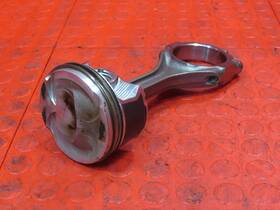
( Manufacturer Part Number: 13101-F4010 ), ( Part Type: Piston Rod ), ( Id: Rdw 2600477 ), ( Importapart: 314-502-3104 )
Review TOYOTA 22-24 3.4l Left Bank Piston Rod Assembly fits TUNDRA SEQUOIA 2023–2024
The **Toyota 13101-F4010 22-24 Tundra (23-24 Sequoia) 3.4L V35A-FTS Left Bank Piston Rod (Part #0477)** is a precision-engineered aftermarket replacement component designed exclusively for Toyota s high-performance V6 powertrains, ensuring seamless integration and optimal performance in the latest generation of the **Tundra (2022-2024)** and **Sequoia (2023-2024)** models equipped with the **3.4L V35A-FTS engine**. This piston rod is a critical part of the engine s internal combustion system, crafted from high-grade **forged steel** to withstand the extreme stresses of high-revving, turbocharged operation while maintaining durability and reliability. The **left bank piston rod** is engineered to match Toyota s original equipment specifications, featuring a **chromoly steel construction** for superior strength and resistance to wear, ensuring longevity even under aggressive driving conditions or modified setups. Its **precision-machined surface** and **heat-treated finish** help minimize friction and prevent premature failure, making it an ideal upgrade for enthusiasts seeking to enhance engine performance, reduce oil consumption, or restore stock reliability after wear. Whether used in stock applications, performance builds, or high-mileage restorations, this piston rod delivers the structural integrity and performance consistency expected from Toyota s demanding powertrains. Built to meet or exceed OEM standards, it is a trusted choice for mechanics and DIYers looking to maintain or improve the efficiency and longevity of their **V35A-FTS** engine.
### **Analysis of Buying a Toyota Tundra (2023-2024) or Sequoia (2022-2024) with the Specified Engine and Piston Issue (0477 Left Bank Piston Rod)**
#### **Overview of the Vehicles**
The **Toyota Tundra (2023-2024)** and **Sequoia (2022-2024)** share the **3.4L V6 (V35A-FTS)** engine, a turbocharged inline-six designed for towing and performance. The **left bank piston rod (part #0477)** failure is a known issue in this engine, particularly in early production models. Below is a detailed breakdown of the pros and cons of purchasing these vehicles with this concern.
---
### **Pros of Buying a 2023-2024 Tundra or 2022-2024 Sequoia with the V35A-FTS Engine**
1. **Strong Towing and Hauling Capabilities**
- The Tundra (with the right package) can tow up to **12,000 lbs** (with the Max Trailer Tow Package), while the Sequoia can tow up to **9,400 lbs** (with the Max Trailer Tow Package).
- The V35A-FTS is built for heavy-duty applications, making it ideal for work or recreational use.
2. **Toyota s Reputation for Reliability**
- Toyota has a long history of durable engines, and the V35A-FTS is no exception in terms of overall build quality.
- The truck and SUV share many of Toyota s proven mechanical systems (e.g., 4.6L V8 heritage in the Tundra s previous generation).
3. **Advanced Safety and Tech Features**
- Standard safety tech includes **Toyota Safety Sense 3.0 (TSS 3.0)**, which includes pre-collision braking, lane-keeping assist, and adaptive cruise control.
- The **Sequoia** offers a spacious, SUV-like interior with premium materials in higher trims.
- The **Tundra** includes a **12.3-inch touchscreen** (with wireless Apple CarPlay and Android Auto) and available **head-up display**.
4. **Fuel Efficiency for a Heavy-Duty Truck**
- While not as efficient as smaller trucks, the V35A-FTS still offers **better MPG than a V8** (e.g., 16 city / 21 highway for the Tundra vs. 13/18 for a V8 model).
- The turbocharged nature of the engine provides strong low-end torque, improving drivability.
5. **Resale Value and Brand Strength**
- Toyota retains strong resale value, meaning these vehicles will hold their worth better than many competitors.
- The **Sequoia** is a premium SUV with a strong brand appeal, which could make it easier to resell.
6. **Available Powertrain Options**
- While the V35A-FTS is the focus, the Tundra also offers a **5.7L V8 (1UR-FE)**, which may be preferable for those who prioritize raw power over fuel efficiency.
- The Sequoia does not offer an alternative powertrain, but its V6 is still capable for most towing needs.
7. **Toyota s Warranty Coverage**
- The **battery-limited warranty** covers the engine for **10 years or 120,000 miles** (whichever comes first).
- The **powertrain warranty** is also **5 years or 60,000 miles**, which provides some protection against unexpected failures.
---
### **Cons of Buying a 2023-2024 Tundra or 2022-2024 Sequoia with the V35A-FTS Engine (Especially with the 0477 Piston Rod Issue)**
1. **Known Piston Rod Failure (0477 Issue)**
- The **left bank piston rod (0477)** has been reported to fail prematurely, often around **50,000 100,000 miles**, though some owners report issues as early as **30,000 miles**.
- When this rod fails, it can cause **catastrophic engine damage**, including bent connecting rods, cracked pistons, and valve damage.
- **Symptoms** may include:- **Knocking or rattling** from the engine (especially under load).
- **Blue smoke** from the exhaust (indicating oil burning).
- **Check Engine Light (CEL)** with codes related to misfires or oil pressure.
- **Repair cost**: Replacing the piston rod (or entire rod assembly) can cost **$2,000 $4,000 **, depending on labor and whether additional damage requires repair.
2. **Early Production Models May Be More Prone to Issues**
- The **2022 Sequoia** and **2023 Tundra** were among the first to introduce the V35A-FTS, meaning early models may have **teething problems** beyond just the piston rod.
- Some owners report **oil consumption issues**, **turbocharger failures**, and **transmission hesitation** in early builds.
3. **Limited Real-World Data on Long-Term Reliability**
- While Toyota has a strong reputation, the **V35A-FTS is relatively new**, and long-term reliability data (beyond 100,000 miles) is still emerging.
- Some early adopters have reported **oil leaks from the turbocharger** and **carbon buildup issues** (common in turbocharged engines if maintenance is neglected).
4. **Higher Maintenance Costs Compared to Naturally Aspirated Engines**
- Turbocharged engines require **more frequent oil changes** (every **5,000 7,500 miles** for synthetic oil) to prevent sludge buildup.
- **Cooling system maintenance** is critical, as turbocharged engines run hotter.
- **Fuel system cleaning** (every **30,000 50,000 miles**) is recommended to prevent carbon buildup on intake valves.
5. **Potential for Other Early-Model Bugs**
- Some **2022 Sequoia** owners report **electrical gremlins**, **infotainment glitches**, and **transmission shifts being less smooth** than expected.
- The **Tundra s 12-speed transmission** has received mixed reviews, with some drivers noting **jerky shifts under heavy load**.
6. **Higher Purchase Price Relative to Alternatives**
- The **V35A-FTS Tundra** starts around **$45,000 $55,000**, while a **V8 Tundra** is slightly more expensive but may offer better long-term reliability.
- The **Sequoia** starts at ** $50,000**, positioning it as a premium SUV with fewer competitors in its class.
- Buyers could potentially find **used V8 Tundras or older-generation Sequoias** (e.g., **2019 2021**) for a lower price with proven reliability.
7. **Potential for Extended Warranty Costs**
- If purchasing a **used 2023 Tundra or 2022 Sequoia**, the **battery-limited warranty may have expired**, leaving the buyer responsible for any piston rod failure.
- An **extended warranty** (e.g., from Toyota or a third party) could add **$1,500 $3,000** to the purchase price, which may not be worth it if the risk is low.
---
### **How to Mitigate the Piston Rod Risk (0477 Issue)**
If you still want to proceed with purchasing one of these vehicles, here are steps to **reduce risk**:1. **Check for Recalls and Service Campaigns**
- Toyota has issued **service campaigns** for the V35A-FTS, including **oil consumption fixes** and **turbocharger upgrades**.
- Verify that the vehicle has **all applicable recalls completed** via the **NHTSA website** or a Toyota dealer.
2. **Inspect the Engine Thoroughly**
- If buying **used**, have a **trusted mechanic** perform a **full engine inspection**, including:- **Compression test** (to check for internal damage).
- **Oil analysis** (to detect metal particles from rod wear).
- **Visual inspection of the turbocharger and oil cooler**.
- Ask for **maintenance records**, especially **oil change history** (critical for turbocharged engines).
3. **Avoid Early Production Models**
- **2022 Sequoia** and **early 2023 Tundra** models may be more prone to issues.
- **2023 Tundra models built after mid-2023** and **2024 models** may have **refined versions** of the engine with fewer early bugs.
4. **Consider a Warranty or Extended Coverage**
- If buying **
Details:
When disassembled, the rod bearing was in good shape and not spun or overheated. This was cleaned and inspected after disassembly. These pistons are standard bore size. The rings are included but should be replaced before use.
The rod moves freely on the wrist pin and pistons have no broken ring lands. Left, driver bank piston and rod assembly from a 2023 Toyota Tundra. Fits 2022 2024 Toyota Tundra and 2023-2024 Sequoia. There is some light wear on the piston skirts, which has been detailed in photos.
part #: 13101f4010 prices
- $100.57-$200.52
specifications pistonringro:
- for models: Tundra, Sequoia
- for makes: Toyota
- for years: 2023-2024
- mpn: 13101-f4010
- part type: Piston Rod
- id: Rdw 2600477
- importapart: 314-502-3104
general pistonringro:
- Car Truck Parts Accessories > Engines Engine Parts > Pistons Rings
- condition: Used
shipping pistonringro:
- cost: $0.00
- class: Standard, One-day
- service: Standard, FedEx Priority Overnight
- transit: 3-6 Days
- carrier: FedEx
- type: Fixed
offer pistonringro:
- sold: 0
- started: February 6, 2026
- best offers: True
- availability: In Stock
- options: Ship-to-home
- quantity: 1
payments pistonringro:
- credit card: Visa
- other
- wallet: Apple-pay
returns pistonringro:
- policy: Returns Accepted
- paid by: Seller
- time: 60 Days
seller pistonringro:
- city: Hazelwood, Missouri
- # reviews: 40712
- rating: 100.0%
Toyota 13101-F4010 Is Similar To:
- 012-527220 Beck Arnley Engine Piston Rings Set Toyota (25.5% similar) Be sure the part you are buying is correct for your application. Rubber parts, gaskets, hardware may need to be replaced and not usable. None of which makes the part defective. Or any other minor issue that does not make the part you are buying defective. Once purchased you own it. Shipping:free ...(October 27th, 2018)
- 021-1542 Itm Engine Components Piston Ring Set Fits Toyota Land Cruiser (25.1% similar) Parts hawk millions of parts. Crazy fast shipping...(April 14th, 2018)
- 021-1546-std Itm Engine Components Piston Ring Set Fits Toyota Land Cruiser (25.7% similar) This part fits vehicles made in the following years 1975 , 1976 , 1977 , 1978 , 1979 , 1980 , 1981 , 1982 , 1983 , 1984 , 1985 , 1986 , 1987 . Engine piston ring set fits toyota land cruiser temporise is for 1 - adjust qty as needed...(September 2nd, 2018)
- 04004-79128-b0 Toyota Genuine Piston (24.2% similar) Shipping carrier substitutions may be made at our determination in an attempt to reduce cost the customer. Electrical parts are not returnable. Parts must be resalable and in the original packaging...(February 12th, 2019)
- 054 51007 001 Wd Express Genuine Engine Connecting Rod Bolt Fits Toyota Camry (11.6% similar) Ed express supplied your vehicles manufacturer with the engine connecting rod bolt. Use the message system only to communicate, as this gives an added level of protection and security. Step the link to initiate a return and follow prompts. Est, Mon to sat. We care about you and your vehicle...(February 18th, 2019)
- 056 51010 533 Wd Express Engine Connecting Rod Bearing Fits Toyota 884109009290 (14.9% similar) So forget the rest and try Best. Engine connecting rod bearing set-ACLU fits toyota pickup you won't be disappointed. Our team of certified car quest counter pros are Best in the biz...(February 26th, 2019)
- 062 51001 804 Wd Express Engine Piston Pin Bushing Set Fits Toyota Tacoma (29.6% similar) 8 am to 6 PO...(March 9th, 2019)
- 13011-20023 Toyota Oem Factory Brand New Ring Set Piston Part (31.8% similar) 0L1MZFE MCV20, MCV30ES33020046 Cl 0L1MZFE MCU20, MCU25 Lexus: model vehicle option DETAILSES3, Cl 0L1MZFE MCU10, MCU15...(May 2nd, 2018)
- Lexus 13011-31260 2013 Ring Oem Set Piston Toyota 1301131260 Is250 Engine (18.9% similar) This offer is for an genuine oem part, not aftermarket...(March 12th, 2015)
- 13011-38040 Toyota Std Piston Rings Corona Celica Pickup (26.3% similar) Toyota 20R std piston rings corona Celia pickup 38040NEW old stock ring Toyota parts information lists for leaded fuel...(June 8th, 2018)
- 1301136101 Toyota Lexus Oem Piston Ring (28.1% similar) Warranting warranty...(October 15th, 2018)