SUBARU 15036AA010 Piston Oil Squirter EJ22T EJ20G EJ20K
fits model: Ej22. make: Subaru.
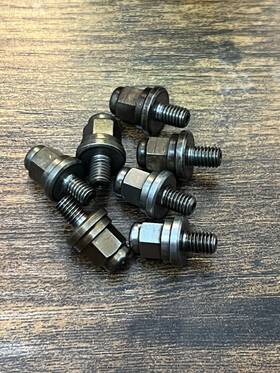
( Manufacturer Part Number: 15036AA010 ), ( Type: Piston Oil Squirter )
Review SUBARU Piston Oil Squirter Oem fits EJ22
The **Subaru 15036AA010 Piston Oil Squirter** is a precision-engineered component designed exclusively for Subaru engines featuring the **EJ20G, EJ20K, and EJ22T** configurations, ensuring optimal lubrication and performance in high-stress applications. This critical part plays a vital role in maintaining engine reliability by injecting a fine mist of oil directly onto the piston crowns, reducing friction, heat buildup, and wear particularly in turbocharged or high-performance variants where thermal and mechanical loads are significantly elevated. Crafted from high-grade materials, the squirter is engineered to withstand the extreme pressures and temperatures inherent in Subaru s advanced combustion systems, delivering consistent lubrication even under demanding conditions. Its compact yet robust design integrates seamlessly with the engine s internal architecture, featuring precision-machined passages that ensure an even distribution of oil, minimizing sludge formation and extending component lifespan. Whether installed in a naturally aspirated EJ20G or a turbocharged EJ22T, this squirter is a key element in preserving the engine s efficiency, reducing emissions, and preventing catastrophic failure from inadequate lubrication. Ideal for both restoration projects and high-mileage maintenance, this part is a direct-fit replacement, guaranteeing compatibility without the need for modifications, and is a must-have for enthusiasts and mechanics seeking to restore or enhance the longevity of their Subaru s powerplant.
### Pros and Cons of Buying a Subaru with the Specifications Mentioned (15036AA010, EJ22T Piston Oil Squirter, EJ20G, EJ20K, EJ22)
The models and engine codes you ve referenced particularly the **EJ22T with piston oil squirter issues** relate to older Subaru engines, primarily found in vehicles like the **Subaru Outback, Forester, Legacy, and Impreza (1999 2006)**. Below is a detailed breakdown of the pros and cons of purchasing such a vehicle, along with a conclusion and recommendation.
---
### **Pros**
1. **Reliability of the EJ20G and EJ20K Engines**
- The **EJ20G** and **EJ20K** (predecessors to the EJ22T) are known for their durability, especially in the right hands. These engines were widely used in Subarus from the late 1990s to early 2000s and are praised for their longevity when maintained properly. Many examples easily exceed **200,000 300,000 miles** with basic upkeep.
- The **EJ20K** (2.5L) is particularly robust, often favored for its simplicity and ability to handle heavy loads (e.g., lifted trucks or towing).
2. **AWD System Strength**
- Subaru s **Symmetrical All-Wheel Drive (AWD)** is one of the best in the industry, offering excellent traction in snow, mud, and off-road conditions. This system is a major selling point for buyers in regions with harsh winters or those who enjoy light off-roading.
3. **Resale Value and Niche Market Appeal**
- Subarus with AWD and a reputation for reliability hold their value better than many competitors, especially in rural or snowy regions. The **EJ20G/K** models are still sought after by enthusiasts and practical buyers, which can make them easier to sell later.
- The **EJ22T** (a turbocharged version of the EJ20) is less common but has a dedicated following among performance-oriented buyers who appreciate its potential for modifications (e.g., turbo upgrades, intercoolers).
4. **Simplicity and Ease of Maintenance**
- The **EJ20G/K** engines are relatively straightforward to work on, with many parts interchangeable and widely available. This makes DIY repairs and modifications more accessible compared to modern complex engines.
- The **piston oil squirter** issue (common in EJ22T engines) is a known problem, but it is often manageable with proper maintenance. Many owners simply monitor oil consumption and address it as needed rather than replacing the entire engine.
5. **Fuel Efficiency for Its Class**
- While not as efficient as modern turbocharged or hybrid vehicles, the **EJ20G/K** engines offer decent fuel economy for their size and power output, especially in naturally aspirated form. The **EJ22T** (turbo) sacrifices some efficiency but provides more power.
6. **Off-Road and Overlanding Capability**
- The **Subaru Outback and Forester** platforms are popular among overlanders and off-road enthusiasts due to their ruggedness, high ground clearance, and AWD. The **EJ20K** in particular is a favorite for lifted or modified builds.
7. **Parts Availability**
- As older models, parts for these Subarus are still widely available, though some specialty items (e.g., OEM turbochargers for EJ22T) may require sourcing from used markets or aftermarket suppliers.
---
### **Cons**
1. **Piston Oil Squirter Issue in EJ22T Engines**
- The **EJ22T** (found in turbocharged models like the **2001 2006 Legacy GT, Outback GT, and Forester XT**) is notorious for **piston oil squirter failures**, which can lead to **oil consumption, blue smoke, and potential engine damage** if ignored. This issue is often caused by wear or failure of the oil squirters, which spray oil onto the pistons to cool them. When they fail, oil burns in the combustion chamber, increasing consumption and reducing efficiency.
- **Mitigation:** Regular oil changes (every 3,000 5,000 miles if driven hard) and monitoring oil levels are critical. Some owners replace the squirters proactively, while others accept the trade-off for the extra power. Aftermarket squirters or modifications (e.g., deleting them) can reduce oil consumption but may void warranties or affect performance.
2. **Turbocharger Reliability in EJ22T**
- The **EJ22T s turbocharger** is another weak point, prone to failure (especially in high-mileage examples). A failing turbo can lead to **loss of power, whining noises, or catastrophic failure**. Replacing a turbo is expensive (often **$1,000 $2,000** for parts and labor).
- **Mitigation:** Use high-quality oil (e.g., **5W-30 or 5W-40 synthetic**), avoid excessive boost, and replace the turbo if symptoms (e.g., reduced power, smoke) appear.
3. **Transmission Issues**
- Older Subarus (pre-2004) often came with **5-speed manual transmissions**, which are durable but can develop **clutch wear** or **synchro issues** over time. Automatic transmissions (introduced in 2004) are more reliable but still require attention to fluid changes.
- **Manual transmissions** are generally cheaper to repair but may need a clutch replacement every **80,000 120,000 miles**.
4. **Electrical and Computer Problems**
- Older Subarus (especially pre-2004) suffer from **electrical gremlins**, including **faulty sensors, wiring issues, and computer glitches**. The **ECU (Engine Control Unit)** in EJ22T models can be finicky, requiring **ECU remapping or replacement** if it develops errors.
- **Mitigation:** Regularly scan for codes with an **OBD-II scanner** and address issues promptly.
5. **Rust and Body Corrosion**
- Subarus built before **2004** are notorious for **rust**, particularly in the **wheel wells, rocker panels, and undercarriage**. Even newer models can develop rust if not maintained in salted climates.
- **Mitigation:** Inspect the vehicle thoroughly for rust before purchasing. A **rust-proofing treatment** (e.g., Molykote) can help, but prevention is key.
6. **High Maintenance Costs Over Time**
- While parts are available, labor costs can add up, especially for **turbocharged models**. The **EJ22T** requires more frequent maintenance (e.g., **valve cover gaskets, oil changes, turbo inspections**) than the naturally aspirated **EJ20G/K**.
- **Oil consumption** in EJ22T engines can be **1 quart per 1,000 miles or more** in severe cases, adding to long-term costs.
7. **Modern Safety and Technology Limitations**
- Older Subarus lack **modern safety features** like **stability control, advanced airbags, or electronic stability control**, which are standard in newer vehicles. They also have **basic infotainment systems** (if any) compared to today s touchscreen interfaces.
- **Fuel economy** is worse than modern hybrids or turbocharged engines, making them less efficient for daily commuting.
8. **Emissions and Compliance Issues**
- Some older Subarus may not meet **modern emissions standards**, particularly in regions with strict regulations. A **smog check failure** can be a dealbreaker in certain areas.
- **EJ22T models** may require **EGR cooler replacements** or **catalytic converter updates** to pass emissions tests.
9. **Resale Depreciation**
- While Subarus hold value better than many competitors, they still depreciate over time. A **high-mileage EJ22T** will be worth significantly less than a newer turbocharged or hybrid vehicle.
---
### **Conclusion**
Buying a Subaru with the **EJ22T (piston oil squirter issues), EJ20G, or EJ20K** engines can be a **great choice** if you prioritize **reliability, AWD capability, off-road potential, and simplicity**. The **EJ20G/K** is the most forgiving option, offering **longevity and ease of maintenance**, while the **EJ22T** provides **more power at the cost of higher maintenance and oil consumption**.
However, the **EJ22T s piston oil squirter and turbo issues** make it a **higher-risk purchase** unless you are prepared for **regular oil changes, potential turbo replacements, and monitoring for oil leaks**. If you find a **well-maintained EJ22T** with **documented squirter replacements and turbo history**, it can be a fantastic project or performance-oriented vehicle.
For **daily driving and low-maintenance reliability**, the
Details:
OEM Subaru piston oil squirter for EJ22T, EJ20G, and EJ20K engines. OEM Subaru PN: 15036AA010.
part #: 15036aa010 prices
- $23.50-$41.19
specifications pistonringro:
- for models: Ej22
- for makes: Subaru
- mpn: 15036aa010
- type: Piston Oil Squirter
seller pistonringro:
- # reviews: 289
- rating: 100.0%
- city: Colorado Springs, Colorado
general pistonringro:
- condition: Used
- Car Truck Parts Accessories > Engines Engine Parts > Pistons Rings
shipping pistonringro:
- service: UPS Ground Saver
- class: Economy
- type: Calculated
- cost: $6.81
- carrier: UPS
- transit: 4-10 Days
offer pistonringro:
- availability: In Stock
- sold: 0
- started: February 8, 2026
- options: Ship-to-home
- quantity: 7
returns pistonringro:
- policy: No Returns
payments pistonringro:
- other
- credit card: Visa
- wallet: Paypal
Subaru 15036AA010 Is Similar To:
- 013-820020 Beck Arnley Piston Rings Set For Subaru (31.6% similar) Beck anally part number fitment usually does not take into account build dates, model change overs or trim levels. Does not make the item defective. Free shipping is for continental USA only. Missing boxes. They may have been in storage anywhere from 1-30 years. Fitment provided in the listing is a ...(November 12th, 2018)
- 12006ac070 Subaru Oem 2004 Legacy-engine (28.8% similar) This part fits vehicles made in the following years 2002 , 2003 , 2004 , 2005 , 2006...(August 9th, 2017)
- 12006ac080 Subaru Oem 2004 Legacy-engine (28.8% similar) All other parts must be in a re-sellable condition: its original packaging, not have been ripped open, having installed, and the part number label damaged...(January 15th, 2018)
- 12006ac350 Subaru Oem Piston Turbocharged Ej Engines Wrx Size Or (39.1% similar) New pistons from subaru are 75 not including shipping for your turbocharged the size used depended on cylinder in block. I have two of each size. I suggest you use the correct size in their respective cylinders for best performance. These pistons are being sold as-is. Some engines may have had all a...(November 2nd, 2018)
- 12006ad220 Subaru Oem 06-14 Impreza-engine (24.5% similar) This part fits vehicles made in the following years 2006 , 2007 , 2008 , 2009 , 2010 , 2011 , 2012 , 2013 . 5 wagon 4-DOOR, limited sedan spec. 5 XLT wagon 4-DOOR, Rx limited sedan premium touring 4-DOOR...(September 4th, 2017)
- 12006ae550 Subaru Tecnica International Sti New Oem Ra Pistons (27% similar) The pistons are brand new they were removed to be replaced with forged piston Ra motor build. These Ra pistons come off an oem EJ25 sit motor...(September 2nd, 2018)
- 12013ab550 Subaru Genuine Piston Pin (32% similar) You can trust subaru online parts to be your source for all and accessories needs. Without turbo. Parts must be resalable and in the original packaging. Our subaru parts team is here to help. Electrical parts are not returnable. Shipping carrier substitutions may be made at our determination in an ...(January 11th, 2018)
- 12018ab250 Subaru Genuine Piston Pin (32% similar) All model's. In stock orders ship within 24 hours. Electrical parts are not returnable. You can trust sybarites. Orders are shipped when they complete only. And sybarites. At sybarites. Without turbo. Our subaru parts team is here to help. Legacy outback. Parts must be resalable and in the original ...(February 9th, 2018)
- 12033aa090 Subaru Genuine Oem Piston (30% similar) ...(September 20th, 2017)
- 12033ab340 Subaru Genuine Piston Ring (33.7% similar) Parts must be resalable and in the original packaging. Legacy outback. You can trust subaru online parts to be your source for all and accessories needs. Our subaru parts team is here to help. Shipping carrier substitutions may be made at our determination in an attempt to reduce cost the customer. ...(January 11th, 2018)
- 12033ab640 Subaru Genuine Oem Piston (30% similar) ...(September 20th, 2017)