AE 19708 Piston L4 1.5L
fits model: Std. make: Triumph.
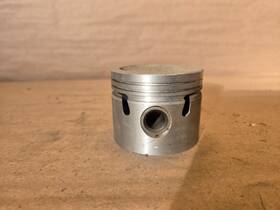
( Brand: Ae ), ( Manufacturer Part Number: 19708 ), ( Type: Piston ), ( Vintage Part: Yes ), ( Country Of Origin: United Kingdom ), ( Performance Part: No )
Review AE Triumph L4 1.5l Piston fits STD
The **AE 19708 Triumph L4 1.5L Piston Standard** is a meticulously crafted, high-performance engine component designed to breathe new life into classic Triumph roadsters and sports cars from the 1960s and 1970s, most notably the iconic **Triumph Spitfire, GT6, and TR6**. This precision-engineered piston set represents the pinnacle of aftermarket engineering for the legendary **Triumph L4 1.5-liter inline-four engine**, which has long been celebrated for its lightweight construction, smooth operation, and timeless charm. Crafted from **forged aluminum alloy**, these pistons are built to exacting specifications, ensuring optimal compression ratios, reduced friction, and enhanced durability critical factors for maintaining the engine s legendary reliability while delivering modern performance gains. The **standard piston design** strikes a balance between stock compatibility and subtle upgrades, making it an ideal choice for enthusiasts seeking to preserve the engine s original character while improving efficiency and longevity. Whether restoring a vintage classic to its former glory or pushing an older model to new performance heights, this piston set is engineered to deliver seamless integration, minimal wear, and the kind of refined power that defines Triumph s engineering legacy. Built to withstand the rigors of high-revving operation and sustained use, these pistons are a testament to the enduring appeal of British motoring heritage, offering a blend of authenticity and performance that keeps the spirit of the L4 alive for generations of drivers.
### **Pros and Cons of Buying a 1970 Triumph L4 1.5L Piston Standard (AE 19708)**
#### **Pros**
1. **Classic Design and Heritage** The Triumph L4 is a well-known British classic, beloved for its distinctive styling, which includes a long hood, short rear deck, and a distinctive grille. It holds a nostalgic appeal for enthusiasts of 1960s and 1970s motorcycles.
2. **Simple and Reliable Engine** The 1.5L inline-four engine is a straightforward pushrod design, known for its durability and ease of maintenance. With proper care, it can last for many years, especially if the original components are in good condition.
3. **Moderate Power for the Era** The standard model produces around 70-80 horsepower, which was adequate for cruising and highway speeds in the 1970s. While not fast by modern standards, it offers a comfortable riding experience for casual or leisurely use.
4. **Mechanical Simplicity** The bike lacks complex electronics, making it easier to diagnose and repair compared to modern motorcycles. Many parts are still available through aftermarket suppliers, and the basic mechanics are well-documented.
5. **Potential for Restoration or Modification** The L4 is a popular project bike, with a strong community of owners who share knowledge on upgrades, restorations, and customizations. The engine can be tuned for better performance, and the chassis can be modified for comfort or aesthetics.
6. **Lower Running Costs** Fuel efficiency was decent for its time, and maintenance costs are relatively low compared to modern bikes, especially if you perform basic upkeep yourself.
7. **Vintage Riding Experience** The bike offers a different riding feel compared to modern motorcycles, with a heavier, more traditional steering and suspension setup. This can be appealing for those who enjoy the raw, unrefined character of classic bikes.
---
#### **Cons**
1. **Age and Wear** At 53 years old, this bike will likely require significant maintenance or restoration work. Rust, worn-out suspension, and outdated electrical systems are common issues that may need addressing.
2. **Outdated Safety Features** The bike lacks modern safety features such as ABS, traction control, or advanced braking systems. The brakes are likely drum-based, which are less effective than modern disc brakes, especially in wet conditions.
3. **Comfort and Ergonomics** The riding position is more upright and less aggressive than modern cruisers or sport bikes, but it may still feel stiff or uncomfortable for taller riders due to the bike s compact frame. The seat and handlebars may also be worn or outdated.
4. **Fuel and Emissions Concerns** The bike runs on leaded fuel, which is no longer widely available. You ll need to source it from specialty suppliers, and modern fuel injectors or carburetors may not be compatible with modern unleaded fuel. Additionally, it does not meet modern emissions standards, so it cannot be legally ridden in many areas without modifications.
5. **Reliability Issues** The engine and drivetrain components may be worn out, especially if the bike has not been well-maintained. Common problems include leaking oil seals, worn-out clutch components, and rusted suspension parts.
6. **Limited Aftermarket Support** While parts are available, they may be harder to find compared to more modern Triumph models or Japanese classics. Some components may require custom fabrication or restoration.
7. **Legal Restrictions** Depending on your location, the bike may need to pass emissions tests or have modifications to meet modern safety standards. Some areas have restrictions on pre-1975 motorcycles, so check local regulations before purchasing.
8. **High Maintenance Requirements** The bike will likely need regular attention to keep it running smoothly. This includes checking for rust, replacing worn-out belts, adjusting the carburetors, and ensuring the electrical system is functional.
---
### **Ending Conclusion**
Buying a 1970 Triumph L4 1.5L Piston Standard is a decision that appeals to enthusiasts who value classic design, mechanical simplicity, and the challenge of restoring or maintaining a vintage motorcycle. It is not a practical daily rider for most modern riders due to its age, lack of safety features, and high maintenance demands. However, if you are passionate about British classics, enjoy the process of restoration, and are prepared for the challenges that come with owning a bike from this era, the L4 can be a rewarding project.
The bike s charm lies in its history and the opportunity to bring it back to its former glory. However, it is important to approach the purchase with realistic expectations budgeting for restoration costs, sourcing parts, and committing to ongoing maintenance are essential.
---
### **Recommendation**
**Buy the bike if:**- You are an experienced rider or mechanic comfortable with vintage motorcycle maintenance.
- You have a passion for classic British motorcycles and are willing to invest time and money into restoring it.
- You plan to use it primarily for leisure rides, club events, or as a project bike rather than daily commuting.
- You can source leaded fuel and are prepared for potential legal or emissions challenges in your area.
- You enjoy the process of working on a bike and are not deterred by its age or potential issues.
**Do not buy the bike if:**- You are looking for a practical, low-maintenance daily rider.
- You lack mechanical experience or the resources to restore and maintain it properly.
- You cannot afford the potential restoration costs or unexpected repairs.
- You are not prepared to deal with outdated safety features or legal restrictions in your area.
- You prefer modern comforts, electronics, and reliability over vintage charm.
Ultimately, the Triumph L4 is a fantastic choice for the right owner someone who appreciates its heritage and is ready to put in the work to keep it running. For others, it may be more trouble than it s worth. Always inspect the bike thoroughly, preferably with a trusted mechanic, before making a purchase.
Details:
Review the pictures, read , and make sure that this is right part for your vehicle. Please review all the photos for overall condition and ask any questions prior to purchase. For sale is this Triumph L4 1.5L Piston STD 19708. Have a Wonderful Day!, ID: 36934.
part #: 19708 prices
- $144.74-$399.99
specifications pistonringro:
- for models: Std
- for makes: Triumph
- brand: Ae
- mpn: 19708
- type: Piston
- vintage part: Yes
- country of origin: United Kingdom
- performance part: No
shipping pistonringro:
- type: Fixed
- service: Economy
- transit: 5-8 Days
- cost: $0.00
- class: Economy
payments pistonringro:
- other
- credit card: Diners-club
- wallet: Apple-pay
offer pistonringro:
- options: Ship-to-home
- sold: 0
- availability: In Stock
- started: February 12, 2026
- best offers: True
- quantity: 1
returns pistonringro:
- time: 30 Days
- policy: Returns Accepted
- paid by: Seller
general pistonringro:
- condition: Used
- Car Truck Parts Accessories > Engines Engine Parts > Pistons Rings
seller pistonringro:
- city: Snohomish, Washington
- # reviews: 10135
- rating: 99.8%
Ae 19708 Is Similar To:
- 16225 Ae Nos Flat Top High Compression Racing Piston Mgb Main (35.4% similar) Good spare to have. The size of box is 11 x tall. This 4 ring grooves. You are purchasing a nos new old stock high compression racing flat top piston with wrist pin for the GB main engine. New from a vintage British inventory, part number cast on the inside 16225. If you burn up 1 piston, don't need...(December 24th, 2018)
- 17358 Std Ae Brand Mgb 1798cc 1965 (20.3% similar) ...(March 9th, 2017)
- 18796 Std Ae Saab 99 (21.8% similar) If you don't see an item listed we probably have it and just not had time to get on. Every picture is the actual unit and not a stock or borrowed to convey as much accuracy possible. Electrical products are not returnable. About the brand vintage imports, inc. Use the original packaging to send ...(October 8th, 2017)
- 19603-30 Ae Toyota Corolla Piston Set With Rings (38.6% similar) 75MM oversize for extra power and fits Toyota kc 3KC engines. Up for sale is 1 complete piston set with rings fitted to all Toyota corolla model's. This set is...(April 29th, 2018)
- 21084-30 Ae Honda Accord Prelude Piston Set With Rings Oversize (34.7% similar) This set is. 75MM oversize for extra horsepower and the ultimate engine rebuild. All rings and pins included as well instructions for fitting. Up for sale is 1 piston set all Honda accord and prelude EK1 engines...(November 13th, 2018)
- 23946 Std Ae Fiat Special Sedan Wagon Coupe Spider New Piston (27.1% similar) Every picture is the actual unit and not a stock or borrowed to convey as much accuracy possible. If you don't see an item listed we probably have it and just not had time to get on. About the brand vintage imports, inc. Electrical products are not returnable. Use the original packaging to send ...(April 8th, 2018)
- Ae Bore 1 Set 1800cc 4 Mgb 420-446 Piston Cr 040 8.7 (33% similar) These are std. Mg, triumph, jaguar, Austin Haley. 040 bore for 1800CC engines. Return postage to be paid by buyer. 5 main engines, press fit pin from 1972 it is a newer of the older stock item in new condition. The box show shelf wear. 4 long, Ae piston's. 7/1 Cr with rings...(March 6th, 2015)
- 64239 Ae Piston Set Nos (41.4% similar) It has been stored for many years and not sure how the small punch mark see pic arrived on one piston. I make out the on two others. Contact in advance of purchase. They are all marked this set mics out at may consider int'l shipping any correction appreciated. If you can use them be the judge as I ...(August 8th, 2017)
- 17481 Ae Brand Single Engine Piston W Rings Pin Fits Toyota Corona 3rc 1969 1970 (26.1% similar) Use the original packaging to send the item back or a sturdy outer shipping container. One new Ae brand single engine piston with rings and pin in 88MM, part number 17481STD or factory electrical products are not returnable. Every picture is the actual unit and not a stock or borrowed picture to ...(October 17th, 2016)
- Bra13737std Ae Bricovmo Single Engine Piston Ring Set Fits Jaguar Mkvii (34% similar) This fits: jaguar XK120 3442CC 1954JAGUAR XK140 1957 JAGUAR XK150 1961 JAGUAR movie McVeigh the purchase price is for one single engine piston ring set, enough to re-ring. One new original Ae Brigham brand single engine piston ring set in standard 83MM size, part number BRA13737STD...(June 27th, 2018)
- 1599cc 446-0200 Dana Ludwig Napa Imports Ae Ra25106-std Piston Rings 62-72 English Ford Capri Consul Cortina Lotus Ra.25106 (16.5% similar) Related partake ra. On may at PDT, free. This offer listing is for one 1 set only, rarely seen new old stock, original equipment vintage he polite Ae quality made in the united kingdom great Britain, standard size ring per cylinder piston ring set for 4 pistons. 984MM 2ND, and free. 969MM oil ring ...(February 10th, 2016)