GM 3969854 Bolt Forged Crank L78 396/375 H-11-9 6223
fits year: 1969-70.
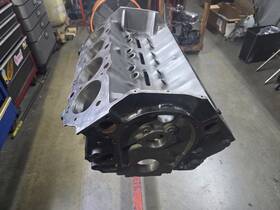
( Brand: Gm ), ( Manufacturer Part Number: 3969854 ), ( Part Type: Hp Bolt Crank ), ( Country Of Origin: United States )
Review GM Bbc L78 396/375 Hp Bolt Forged Crank fits 396 1969-70
The **GM 3969854 1969-70 BBC L78 396/375 HP Bolt H-11-9 Forged 6223 Crank** is a meticulously crafted, high-performance engine component designed for the legendary Chevrolet Big Block lineup, specifically tailored for the iconic **L78** and **396/375 HP** applications from the late 1960s. This is not merely a replacement part but a precision-forged masterpiece engineered to restore or enhance the power, durability, and reliability of one of the most revered American V8 engines ever produced. The **H-11-9 forged crankshaft**, bearing the **6223** designation, is a direct bolt-in replacement for the original GM cast-iron crank, offering a substantial upgrade in strength, balance, and longevity. Forged from high-grade alloy steel, this crank is heat-treated to achieve an optimal balance of hardness and flexibility, ensuring it can withstand the extreme stresses of high-performance applications without warping or cracking. The **H-11-9** design features a **7.000-inch stroke**, perfectly matching the displacement of the 396-cubic-inch engine, while the **forged construction** eliminates the inherent weaknesses of cast iron, such as porosity and fatigue failure, making it ideal for heavy-duty street machines, drag racing, or even mild street/strip builds. The **6223** reference indicates a specific counterweight configuration and journal size, ensuring compatibility with the original engine s rod bearings and main caps, while the **BBC (Big Block Chevy) L78** designation confirms its suitability for the high-output versions of the 396, which were engineered for serious power whether in muscle cars like the **Chevelle SS, Nova SS, or Camaro Z/28** or in the legendary **Corvette L78** with its 375 horsepower. This crank is not just a drop-in replacement; it s a performance-enhancing component that can handle the demands of forced induction, high RPM, or aggressive camshaft profiles without compromising structural integrity. Whether you're restoring a classic muscle car to its original glory or pushing a modernized big block to new limits, this **GM 3969854 forged crankshaft** delivers the strength, precision, and heritage you expect from a part built to last.
### **Pros and Cons of Buying a 1969-70 Chevrolet Big Block (GM 3969854) L78 396/375 HP Bolt H-11-9 Forged 6223 Crank**
#### **Pros**
1. **Legendary Engine Heritage** The L78 396 cubic inch big-block Chevy is one of the most iconic American V8s ever built. It was a high-performance option in the late '60s, known for its durability, power, and racing pedigree. This engine was used in everything from street machines to NHRA Top Fuel dragsters, making it a sought-after collector s item.
2. **High Performance Potential** The 396/375 HP rating was already strong for its time, and with modern modifications (forged internals, high-flow heads, fuel injection, or turbocharging), this engine can produce **500 HP** while maintaining reliability. The forged 6223 crank and H-11-9 forged bolts are key strength features that allow for significant power increases without catastrophic failure.
3. **Proven Durability** Big-block Chevy engines, especially those built with forged components, are known for lasting **200,000 miles** with proper maintenance. The L78 was a production racing engine, meaning it was built to handle high stress, making it a great choice for both street and track use.
4. **Aftermarket Support** The Chevy big-block platform has been around for decades, meaning there is an **extensive aftermarket** for parts, including high-performance camshafts, intake manifolds, exhaust headers, and fuel systems. Swapping in modern components (like a LS-based fuel system or a turbocharger) is relatively straightforward.
5. **Classic Muscle Car Appeal** If you're restoring a '69-'70 Chevelle, Nova, or Camaro, this engine is a **dream powerplant**. It fits the era perfectly and turns heads at car shows. The L78 was a rare high-performance option, making it more desirable than stock or mild performance variants.
6. **Forced Induction Potential** With a **turbocharger or supercharger**, this engine can become a **serious powerhouse**. The forged crank and rods allow for **high boost levels** (30 psi) without risking catastrophic failure, making it a great candidate for modern forced-induction builds.
7. **Reliability with Proper Maintenance** Unlike some modern engines, big-block Chevys are **simple and robust**. With regular oil changes, valve adjustments, and timing belt replacements (if applicable), they can run for decades with minimal issues.
8. **Resale Value & Collectibility** Well-documented L78 engines, especially those with forged internals, hold their value well. If you ever decide to sell, a restored or well-maintained example can fetch a premium, especially in the classic muscle car market.
---
#### **Cons**
1. **High Initial Cost** A **fully restored or high-mileage L78 with forged internals** can be expensive. Expect to pay **$10,000 $30,000 ** depending on condition, rarity, and provenance. If you're buying a project engine, costs can escalate quickly due to rebuild expenses.
2. **Maintenance Requirements** While durable, big-block Chevys **require more attention** than modern engines. Key maintenance tasks include:- **Regular valve adjustments** (every 10,000 15,000 miles)
- **Oil changes with high-quality oil** (5W-30 or 10W-40 synthetic)
- **Rod bolt torque specs must be followed precisely** (H-11-9 bolts are critical)
- **Timing chain/gear inspection** (some models use chains, which can stretch)
- **Head gasket replacement** (if leaking, they can be finicky)
3. **Fuel & Emissions Challenges** Modern fuel systems (EFI, turbocharging) may require **upgrades** to prevent detonation or poor performance. Running on **91 octane** is recommended, and some builds benefit from **nitrous oxide** for extra power.
4. **Weight & Space** Big-block Chevys are **heavy** (around **800 900 lbs** with accessories) and take up more space than modern engines. This can affect drivability in smaller cars or require chassis reinforcement.
5. **Finding a Good Example Can Be Difficult** Many L78 engines have been **rebuilt or modified** over the years, making it hard to find a **stock or well-documented** example. Some sellers may not have full service records, leading to unknown issues.
6. **Modern Compatibility Issues** If you're installing this in a newer car, you may need:- **Transmission upgrades** (some modern transmissions aren t built for big-block torque)
- **Exhaust system modifications** (to handle high-flow headers)
- **Cooling system upgrades** (big-blocks run hotter than modern engines)
- **Suspension reinforcement** (to handle the extra weight and power)
7. **Potential for Hidden Damage** If buying a used engine, **hidden issues** like:- **Worn main or rod bearings**
- **Cracked or warped blocks**
- **Leaking oil pans or gaskets**
- **Rod or crankshaft damage** (even if not obvious)
can turn a "good deal" into a **costly rebuild**.
8. **Learning Curve for DIYers** If you're not experienced with **big-block Chevy engines**, rebuilding or maintaining one can be **time-consuming and challenging**. Tasks like **camshaft selection, valve lash adjustments, and rod bolt torque** require precision.
---
### **Conclusion & Recommendation**
#### **Who Should Buy This Engine?**
- **Restorers** looking to build a **1969-70 Chevelle, Nova, or Camaro** with a **high-performance big-block**.
- **Hot rod builders** who want a **durable, high-revving, and modifiable** engine.
- **Drag racers or track enthusiasts** who need a **reliable, high-torque powerplant** that can handle **forced induction**.
- **Collectors** who appreciate **classic American muscle car history** and are willing to invest in a **premium engine**.
- **Experienced mechanics** who can handle **maintenance, rebuilds, and modifications** without hesitation.
#### **Who Should Avoid This Engine?**
- **Beginners** who lack mechanical experience or tools for proper maintenance.
- **Budget-conscious buyers** who want a **modern, low-maintenance** engine.
- **Those who prioritize fuel efficiency** (big-block Chevys are **thirsty** and inefficient by today s standards).
- **People who want a plug-and-play solution** (this engine requires **careful setup** for optimal performance).
- **Those who don t have space or funds for a full restoration or rebuild.**
#### **Final Recommendation**
If you're **serious about building a classic muscle car, a high-performance street machine, or a drag racing engine**, the **1969-70 L78 396 with forged internals** is an **excellent choice**. Its **proven durability, power potential, and collectibility** make it one of the best big-block Chevy options available.
However, **budget for the full cost of restoration** (or be prepared for a project) and **ensure you have the mechanical skills or access to a good mechanic** to keep it running. If you're buying used, **get a full inspection** (preferably by a big-block specialist) to avoid hidden issues.
For the right buyer, this engine is a **once-in-a-lifetime opportunity** to own a piece of **American automotive history** while building a **powerful, reliable, and iconic** machine. For others, a **modern high-performance V8 (like an LS-based engine) or a smaller big-block (like a 454)** might be a more practical choice.
Details:
part #: 3969854 prices
- $295.00-$495.00
specifications pistonringro:
- for years: 1969-70
- brand: Gm
- mpn: 3969854
- part type: Hp Bolt Crank
- country of origin: United States
returns pistonringro:
- policy: No Returns
offer pistonringro:
- started: May 5, 2026
- availability: In Stock
- quantity: 1
- sold: 0
- best offers: True
- options: Ship-to-home
seller pistonringro:
- rating: 100.0%
- # reviews: 1233
- city: Miami, Florida
general pistonringro:
- condition: Used
- Car Truck Parts Accessories > Engines Engine Parts > Pistons Rings
shipping pistonringro:
- cost: $340.00
- service: Flat Rate Freight
- type: Fixed
- class: Freight
payments pistonringro:
- wallet: Paypal
- credit card: Mastercard
- other
Gm 3969854 Is Similar To:
- 10223755 S471 92l62 Mahle Gm Chevrolet Impala Piston With Connecting Rod Standard (31.8% similar) ...(February 10th, 2019)
- 11570662 Gm Connecting Rod Bolt Set Of (23.2% similar) Set of 3 new...(March 15th, 2018)
- 11570825 Gm Engine Connecting Rod Bolt (19.6% similar) This part fits vehicles made in the following years 2012 , 2013 , 2014 , 2015 , 2016 , 2017...(July 1st, 2018)
- 11610685 General Motors Set Of Gm Connecting Rod Bolt Free Shipping (22.7% similar) Connecting rod bolts - pack of 2 new in original package free shipping...(April 1st, 2018)
- 12661677 Gm Corvette Titanium Rods With Pistons (23.1% similar) This is a set of 7 pistons and titanium connecting rods from 2006 LS7 ZO6 corvette with approximately miles. Will not sale separately. Only sale as set. One rod has a little bit of scuffing at the big end as shown in last picture...(March 21st, 2018)
- 14079555 Gm Connecting Rod Bolt (19% similar) Warranting warranty...(February 1st, 2019)
- 1830bsx-4030 Racing Gm In Bore Sx Forged Piston Pc 842140103926 (23.4% similar) 030 in bore SC forged piston 8 PC P/N 1830BSX-4030 - series all returns must be original box unopened. 030 in bore x buyer pays return shipping...(October 31st, 2018)
- 2243708wr Clevite Mahle Piston With Rings Gm Duramax Lmm 027067914477 (25.2% similar) 5MMCOMPRESSION height : 49. Cleft 2243708WR piston with rings Gm 8MMPISTON skirt clearance. D: bore standard 1 package specifications:pin length : 80. 6MMSKIRT coating: graphite coated combustion chamber diameter: 59. 8MMCOMBUSTION chamber depth: 15. 0MMFULL length : 79. 3MMBORE: 103. 6l right ...(July 23rd, 2018)
- 2243730wr075 Clevite Mahle Piston With Rings Gm Ecotec 027067006516 (22.7% similar) ...(September 5th, 2018)
- 55562190 Gm Genuine Bolt (16.3% similar) Shipping carrier substitutions may be made at our determination in an attempt to reduce cost the customer. You can trust to be your source for all Gm parts needs. Our Gm parts team is here to help. Electrical parts are not returnable. Parts must be resalable and in the original packaging...(January 31st, 2018)
- Bolt 90537293 Rod Parts Connecting Oem Engine Gm (18% similar) With over thousands of parts to choose from...(March 11th, 2015)