MINI COOPER V75888790006C Engine High Pressure Fuel Pump 070809101112 R56 R57 R58 07-12S
fits model: R55, Turbo. year: 2007–2012.
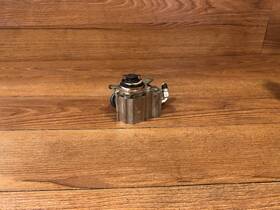
( Brand: Mini Cooper ), ( Manufacturer Part Number: V75888790006C ), ( Part Type: Pressure Fuel Engine Pump ), ( Fitment Type: Direct Replacement ), ( Material: Turbo Injection High Pressure Fuel Pump Hpfp ), ( Vintage Part: No ), ( Manufacturer Warranty: Yes ), ( Country Of Origin: Germany ), ( UPC: 070809101112 )
Review MINI COOPER R56 R57 R58 Engine High Pressure Fuel Pump Oem #6 fits R55 TURBO 2007–2012
The **Mini Cooper V75888790006C High-Pressure Fuel Pump (HPFP) for the R55, R56, R57, and R58 engines (2007 2012)** is a precision-engineered component essential for the optimal performance of your turbocharged R55 or R56/R57/R58 Mini Cooper. Designed exclusively for BMW s N52 and N54 inline-4 turbocharged engine platforms commonly found in these iconic Mini models this fuel pump ensures a consistent and high-pressure fuel delivery system, critical for maintaining the engine s power output, efficiency, and reliability. Crafted from high-grade materials, including durable plastic and robust internal components, this pump is engineered to withstand the demanding conditions of high-performance driving while adhering to strict OEM specifications. The V75888790006C model is specifically tailored to fit the fuel rail system of your Mini, providing seamless integration with the injectors and fuel lines, which is vital for preventing leaks, clogs, or pressure fluctuations that could lead to misfires, poor acceleration, or even engine damage. Whether you re restoring a classic R55 with its distinctive front-wheel-drive charm or upgrading a later-model R57 or R58 with its advanced turbocharging and direct injection, this fuel pump is a direct-fit replacement that guarantees compatibility without the need for modifications. Built to meet or exceed BMW s original engineering standards, it delivers the precise fuel pressure required to keep your turbocharged engine running smoothly, whether you re cruising on the highway or pushing the limits on the track. For enthusiasts who demand both performance and longevity, this high-pressure fuel pump is an indispensable part of maintaining the heart of your Mini s power delivery system.
### Pros and Cons of Buying a Mini Cooper V75888790006C (07 12) with the R55/R56/R57/R58 Turbo R5 Engine and High-Pressure Fuel Pump
#### **Pros**
1. **Performance and Driving Experience**
The R55/R56/R57/R58 engines in the Mini Cooper (07 12) are known for delivering strong performance, particularly with the turbocharged setup. The R58 variant, in particular, is the most powerful, producing around 250 270 horsepower, which provides a sporty and engaging driving experience. The turbocharged setup allows for quick acceleration and a higher power band compared to naturally aspirated engines.
2. **Reliability of the Engine (When Maintained Properly)**
The R5 engines, when well-maintained, are generally robust and capable of lasting a long time. The turbocharged variants are designed to handle higher stress levels, and with regular oil changes, valve adjustments, and fuel system maintenance, they can remain reliable. The high-pressure fuel pump is a critical component, and if it s in good condition, it ensures consistent fuel delivery to the injectors, which is essential for performance and engine longevity.
3. **Aftermarket Support and Modification Potential**
The Mini Cooper (07 12) platform, especially with the R5 turbo engines, has a strong aftermarket community. This means that parts like the high-pressure fuel pump, turbochargers, intercoolers, and exhaust systems are widely available. Modifications such as cold air intakes, performance exhausts, and ECU tuning are common and can enhance power and responsiveness. The availability of aftermarket support makes it easier to keep the vehicle running well or to push it further if desired.
4. **Compact and Fun-to-Drive Size**
The Mini Cooper s small size and nimble handling make it a joy to drive in urban environments and on winding roads. The turbocharged R5 engines retain this agility while adding more power, making it a great choice for those who enjoy driving a car that s both practical and fun.
5. **Potential for Lower Cost of Ownership (If Well-Cared-For)**
Compared to some other European sports cars, the Mini Cooper (07 12) can be relatively affordable to maintain, especially if you source parts from the aftermarket or buy used components. However, this is contingent on the owner being proactive about maintenance. Neglecting issues like the high-pressure fuel pump or turbocharger can lead to costly repairs, so regular upkeep is key.
---
#### **Cons**
1. **High-Pressure Fuel Pump Reliability Issues**
The high-pressure fuel pump in the R55/R56/R57/R58 engines is a common weak point. These pumps can fail prematurely, often due to clogging from contaminated fuel or simply wear and tear. When they fail, they can cause misfires, poor acceleration, or even complete engine failure if not addressed promptly. Replacing a high-pressure fuel pump can be expensive, often costing between $500 and $1,500 depending on whether you use an OEM or aftermarket part. Additionally, the fuel system requires regular cleaning to prevent clogs that can damage the pump or injectors.
2. **Turbocharger and Exhaust Manifold Concerns**
The turbochargers in these engines are also prone to failure, particularly if the car is driven aggressively or if maintenance is neglected. The exhaust manifolds can crack due to heat stress, leading to leaks and reduced performance. These issues can be costly to repair, especially if the turbocharger needs replacement (prices can range from $1,000 to $2,500 installed).
3. **Valvetronic System and Valve Adjustment Needs**
The R5 engines use a Valvetronic system, which controls throttle response by adjusting valve lift electronically. Over time, the valves can wear out or become misaligned, leading to rough idling, poor acceleration, or even engine damage if not addressed. Valve adjustments are typically required every 60,000 90,000 miles, and if neglected, the cost of repairs can add up.
4. **Fuel System and Injector Issues**
The high-pressure fuel system is sensitive to fuel quality. Poor-quality fuel can clog injectors or damage the high-pressure pump. The injectors themselves can fail over time, leading to uneven fuel delivery and performance issues. Cleaning or replacing injectors can be expensive, often costing $300 $800 depending on the extent of the problem.
5. **Transmission and Drivetrain Wear**
The manual and automatic transmissions in the Mini Cooper (07 12) can be finicky. The manual transmissions, in particular, are known for their clutch wear and potential for slipping if not maintained properly. The automatic transmissions can also develop issues with the torque converter or valve body over time. Drivetrain components like the differential and driveshafts can also wear out, especially if the car is driven hard or off-road.
6. **Electrical and Sensor Problems**
The Mini Cooper (07 12) platform is notorious for electrical gremlins. Issues with sensors (such as the MAF sensor, crankshaft position sensor, or camshaft sensors) can cause check engine lights, poor performance, or even stalling. These problems can be frustrating to diagnose and repair, often requiring specialized diagnostic tools or knowledge.
7. **Cost of Maintenance and Repairs**
While parts for the Mini Cooper (07 12) are relatively affordable, labor costs can be high, especially if you take it to a dealership. Independent mechanics may charge less, but finding one with experience in Mini Coopers can be challenging. The cumulative cost of addressing the fuel pump, turbocharger, valves, injectors, and other potential issues can add up quickly, making ownership more expensive than some other cars in its class.
8. **Depreciation and Resale Value**
The Mini Cooper (07 12) has seen significant depreciation over the years, and the R5 turbo models, while desirable, do not hold their value as well as some other European sports cars. If you plan to sell the car in the future, you may not recoup as much as you invested, especially if it has significant mileage or maintenance history.
---
### **Conclusion**
Buying a Mini Cooper (07 12) with the R55/R56/R57/R58 turbo R5 engine and high-pressure fuel pump can be a rewarding experience if you are prepared for the potential challenges. The car offers a fantastic driving experience, strong performance, and a vibrant aftermarket community that can help keep it running well. However, the reliability of the high-pressure fuel pump, turbocharger, and other components like the valves and injectors requires careful attention. If you are willing to invest time and money in maintenance including regular fuel system cleaning, valve adjustments, and potential turbocharger replacements this Mini can be a fantastic car to own.
For those who are not comfortable with frequent repairs or have a limited budget for maintenance, the Mini Cooper (07 12) R5 turbo may not be the best choice. Alternatively, considering a well-maintained example with a verified service history or exploring other turbocharged Mini models (such as the R54 or later R57/R58 with updated fuel systems) could mitigate some of the risks.
---
### **Recommendation**
If you decide to proceed with purchasing this Mini Cooper, follow these steps to minimize risks and maximize enjoyment:1. **Thoroughly Inspect the Vehicle**
- Have a trusted mechanic perform a pre-purchase inspection, focusing on the high-pressure fuel pump, turbocharger, injectors, valves, and transmission. Look for signs of leaks, unusual noises, or check engine lights.
- Check the service records to ensure the car has had regular maintenance, including valve adjustments, fuel system cleanings, and oil changes.
2. **Verify Fuel System Health**
- Ask the seller for proof that the high-pressure fuel pump and injectors have been serviced recently. Consider having a fuel system flush performed as part of the inspection.
- Test the engine for proper performance under load accelerate from a stop and check for smooth power delivery without hesitation or misfires.
3. **Budget for Potential Repairs**
- Set aside funds for potential repairs, particularly for the high-pressure fuel pump, turbocharger, and valves. Aim to have at least $2,000 $3,000 available for unexpected issues in the first year or two of ownership.
- Consider purchasing an extended warranty or service contract if possible, though this may not cover all potential issues.
4. **Drive Responsibly**
- Avoid aggressive driving, especially with a neglected turbocharger or fuel system. Gentle driving can extend the life of these components.
- Use high-quality fuel and consider adding fuel system additives to help prevent clogs.
5. **Join the Mini Community**
- Engage with online forums (such as MiniForum, ClubMini, or Reddit s r/mini) to connect with other owners. These communities can provide valuable advice, part recommendations, and warnings about common issues.
6. **Consider Alternative Options**
- If the Mini Cooper (07 12) R5 turbo seems too high-maintenance, explore other turbocharged Mini models with updated fuel systems (such as the R57/R58 from 2010 onward) or other reliable turbocharged cars in a similar price range.
By
Details:
part #: v75888790006c prices
- $216.66-$329.00
specifications pistonringro:
- for models: R55, Turbo
- for years: 2007-2012
- brand: Mini Cooper
- mpn: V75888790006c
- part type: Pressure Fuel Engine Pump
- fitment type: Direct Replacement
- material: Turbo Injection High Pressure Fuel Pump Hpfp
- vintage part: No
- manufacturer warranty: Yes
- country of origin: Germany
- upc: 070809101112
shipping pistonringro:
- type: Fixed
- transit: 4-9 Days
- service: USPS Priority Mail
- carrier: USPS
- cost: $20.00
- class: Expedited
offer pistonringro:
- options: Ship-to-home
- sold: 0
- best offers: True
- availability: In Stock
- quantity: 1
- started: March 7, 2026
general pistonringro:
- condition: Used
- Car Truck Parts Accessories > Engines Engine Parts > Pistons Rings
seller pistonringro:
- # reviews: 8806
- rating: 100.0%
- city: Santa Cruz, California
returns pistonringro:
- paid by: Seller
- time: 30 Days
- policy: Returns Accepted
payments pistonringro:
- wallet: Apple-pay
- other
- credit card: Mastercard
Mini Cooper V75888790006C Is Similar To:
- 11241485577 Mini Oem Connecting Rod Bearing (13.2% similar) The WHO catalog will only verify model fitment for example hardtop, not certain options within your car. These options can cause problems when it comes time to choosing items like, mirrors heated. Interior trim items, electric modules, servo motors, speakers, amps exterior levels etc...(September 22nd, 2018)
- 11247520130 Mini Oem 02-06 Cooper-engine (25.6% similar) Cores must be in their original package and fully assembled for credit...(March 14th, 2017)
- 11247593922 Mini Engine Connecting Rod Parts (26.3% similar) ...(March 11th, 2018)
- 11247648438 Mini Oem Connecting Rod Bearing (13.2% similar) This part fits vehicles made in the following years 2014 , 2015 , 2016 . Cores must be in their original package and fully assembled for credit...(March 18th, 2018)
- 11248623418 Mini Oem 14-15 Cooper-engine (25.6% similar) Cores must be in their original package and fully assembled for credit. This part fits vehicles made in the following years 2014 , 2015 , 2016...(July 5th, 2017)
- 11257520131 Mini Oem 02-06 Cooper-engine (25.6% similar) The WHO catalog will only verify model fitment for example hardtop, not certain options within your car. This part fits vehicles made in the following years 2002 , 2003 , 2004 , 2005 , 2006 , 2007 , these options can cause problems when it comes time to choosing items like, mirrors heated. ...(May 28th, 2017)
- 11257520133 Mini Oem Piston Ring (14.4% similar) This part fits vehicles made in the following years 2002 , 2003 , 2004 , 2005 , 2006 , 2007 , 2008 . These options can cause problems when it comes time to choosing items like, mirrors heated. Interior trim items, electric modules, servo motors, speakers, amps exterior levels etc. The WHO ...(March 24th, 2018)
- 11257576973 Mini Oem 09-12 Cooper-engine (25.6% similar) Cores must be in their original package and fully assembled for credit...(July 14th, 2017)
- 11257588266 Mini Oem Piston Ring (14.4% similar) Cores must be in their original package and fully assembled for credit...(March 11th, 2018)
- 11257601181 Mini Oem 11-16 Cooper (17.5% similar) This part fits vehicles made in the following years 2011 , 2012 , 2013 , 2014 , 2015 , 2016...(December 14th, 2017)
- 12g126 British Leyland Austin Healey Sprite Mg Midget Mini Nos Engine (16% similar) About the brand vintage imports, inc. One new old stock factory original British Leland brand engine connecting rod 1 and 3 position, part number 12G126. Every picture is the actual unit and not a stock or borrowed to convey as much accuracy possible. If you don't see an item listed we probably have...(June 24th, 2018)